
The Importance of a Circular Economy in the Commercial Cleaning Industry
The commercial cleaning industry is undergoing a transformation. Traditional linear models – where products are made, used, and discarded – are giving way to circular economy principles. This shift not only benefits the environment but also enhances operational efficiency and brand reputation. What is a Circular Economy? A circular economy
The commercial cleaning industry is undergoing a transformation. Traditional linear models – where products are made, used, and discarded – are giving way to circular economy principles. This shift not only benefits the environment but also enhances operational efficiency and brand reputation.
What is a Circular Economy?
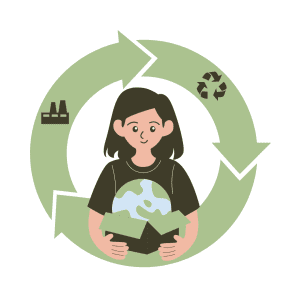
A circular economy is a system that reduces waste and maximises the use of existing resources. Instead of the traditional “make, use, dispose” model, a circular economy creates a closed-loop system. Products and materials are reused, refurbished, and recycled to keep them in use for as long as possible. This approach reduces the demand for new resources, cuts down on waste, and helps promote long-term sustainability. In the UK, embracing circular practices is crucial, especially as the Environment Act 2021 sets targets to halve residual waste by 2042.
The Cleaning Industry’s Environmental Impact
The cleaning sector significantly contributes to environmental challenges:
- Plastic Waste: Single-use plastic bottles for cleaning agents are prevalent.
- Chemical Pollution: Harsh cleaning chemicals can harm aquatic life when they enter waterways.
- Equipment Disposal: Outdated cleaning machines often end up in landfills, adding to electronic waste.
These practices not only harm the environment but also incur higher costs over time.
–
–
How We Support a Circular Economy
We make it simple for businesses to adopt circular economy practices in their cleaning operations.
We offer a range of sustainable solutions tailored to commercial cleaning needs:
- We offer highly concentrated cleaning products, meaning fewer chemicals are needed to achieve results.
- We also supply refillable plastic bottles to replace single-use options, helping businesses significantly cut down on plastic waste.
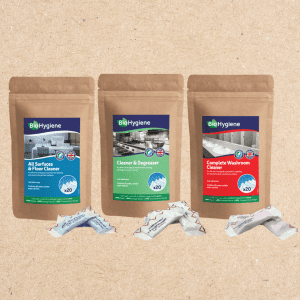
- Our cleaning products include eco-friendly, biodegradable, water-soluble sachets, which reduce packaging waste and leave no harmful residues behind.
- We work with eco-conscious supplies such as BioHygine, Katrin, Tork and more, which help create a greener environment and support a circular economy.
By embracing these circular solutions, we help businesses achieve their sustainability goals while maintaining the highest standards of cleanliness.
–

Benefits of Circular Practices
Adopting a circular approach offers numerous advantages:
- Cost Savings: Reducing waste and reusing materials can lower procurement and disposal costs.
- Environmental Protection: Minimising chemical use and waste contributes to cleaner ecosystems.
- Regulatory Compliance: Aligning with government targets and regulations can prevent potential fines and enhance eligibility for certain contracts.
- Enhanced Reputation: Demonstrating commitment to sustainability can attract environmentally conscious clients and partners.
–
Steps to Implement Circular Practices
Transitioning to a circular model involves several actionable steps:
- Audit Current Practices: Assess waste generation, chemical usage, and equipment lifecycle.
- Invest in Sustainable Products: Choose biodegradable cleaning agents and durable equipment designed for longevity and recyclability.
- Train Staff: Educate employees on sustainable practices and the importance of waste reduction.
- Collaborate with Suppliers: Work with vendors who prioritise sustainability and offer eco-friendly products.
- Monitor and Report: Regularly track progress and share achievements in sustainability reports to stakeholders.
The shift towards a circular economy in the commercial cleaning industry is not just a trend – it’s a necessary evolution. By rethinking resource use and waste management, businesses can achieve greater sustainability, meet regulatory requirements, and enhance their market position. Embracing circular practices today paves the way for a cleaner, more sustainable tomorrow.
Explore our Sustainability page here.
Our Latest News
View newsHow to Choose the Right Commercial Cleaning Chemicals for Your Business
Choosing the right cleaning chemicals for your business is about more than just picking products off the shelf. It also
View articleSpring Cleaning for Businesses Why Spring Is the Best Time for a Commercial Deep Clean
Spring is more than just a change of season. It is the perfect time for spring cleaning in commercial spaces,
View articleHow to Clean Care Homes Effectively: A Practical Guide for Managers and Staff
Maintaining a clean and hygienic care home is essential for resident safety, comfort and wellbeing. In a residential setting, cleaning
View article