
Post-Holiday Deep Clean for Healthcare Facilities
The New Year is a natural moment for healthcare facilities to refresh and reset. After the busy winter period, many environments experience heavy use and higher hygiene risks. There is still an increased risk of illness after the winter period, with the UK Health Security Agency reporting that respiratory
The New Year is a natural moment for healthcare facilities to refresh and reset. After the busy winter period, many environments experience heavy use and higher hygiene risks. There is still an increased risk of illness after the winter period, with the UK Health Security Agency reporting that respiratory infections and seasonal viruses remain at higher levels during winter and early spring. A structured deep clean at the start of the year helps strengthen infection control, improve hygiene standards and support safer patient care. Whether you manage an NHS site, private clinic, healthcare centre, GP surgery or care setting, a planned deep clean supports confidence, safety and peace of mind.
Why a New Year Deep Clean Matters
Healthcare settings are high-traffic environments where many patients, staff and visitors move through the same spaces every day. During colder months, infection risk increases and contamination builds faster. Routine daily cleaning is essential, but deeper cleaning reaches areas that everyday tasks may miss. Deep cleaning is about more than visible cleanliness. It helps reduce contamination on high-touch surfaces and supports long-term infection control. Cleaner surroundings also reassure patients, visitors and staff. A visibly well-maintained environment shows care, professionalism and commitment to safety. The New Year offers a helpful pause point. It gives teams time to review hygiene performance, plan improvements and create a safer space for everyone.
Step 1: Review Your Healthcare Facility Carefully
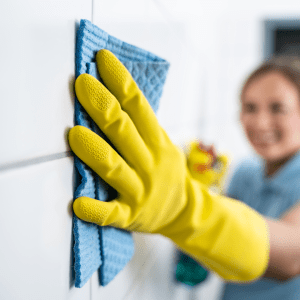
Before cleaning begins, it helps to carry out a simple walk-through review of the building. Take time to look closely at entrances, corridors, reception areas, treatment rooms, waiting spaces, washrooms and staff rooms. Check corners, vents, surface edges and hidden areas where dust and bacteria may collect. Ask some clear questions along the way. Are high-touch areas being cleaned often enough? Are any rooms showing visible wear or build-up? Do hygiene stations support safe behaviour for staff and visitors? This kind of review makes it easier to shape an effective and focused cleaning plan.
It is also important to make sure the right tools and products are available. Professional janitorial supplies and reliable surface cleaning products help maintain strong hygiene standards across busy healthcare environments.
Step 2: Plan a Structured Deep Clean
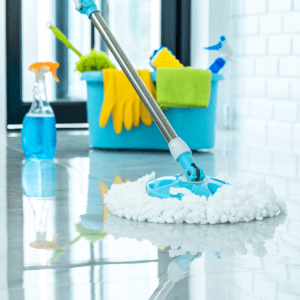
A deep clean should go beyond routine daily cleaning. Careful planning helps ensure thorough work without disrupting essential clinical services. Whenever possible, it is best to choose quieter times or low-traffic periods so teams can work more safely and efficiently. A healthcare deep clean should include detailed cleaning and disinfection of high-touch areas such as door handles, handrails, reception desks, furniture arms, lift buttons, nurse stations and equipment surfaces. It is also important to clean behind large items, under furniture and inside cupboards to remove hidden dirt and bacteria that daily cleaning may miss.
Floors deserve extra attention too. Healthcare floors experience heavy use, frequent spills and constant movement, so they need effective, reliable treatment. Using high-quality professional products helps improve results and maintain stronger hygiene standards. Specialist floorcare equipment and chemicals support deeper cleaning and help teams work efficiently in busy healthcare spaces. Washrooms and changing rooms also require extra care, as these areas must always feel clean, fresh and hygienic for patients, visitors and staff.
Step 3: Strengthen Infection Control
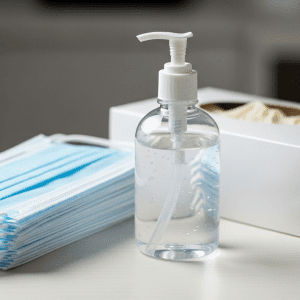
Deep cleaning plays an important role in infection prevention, but it should also link closely with wider infection control strategies. The New Year is an ideal time to review cleaning products and processes to make sure they still meet healthcare requirements and support safe working environments. Disinfectants should be suitable for clinical use and effective against key hygiene risks, and it is important that contact times and usage guidelines are followed correctly. Professional disinfectants and sanitiser products help support stronger hygiene standards and cleaner healthcare spaces.
Hand hygiene also remains one of the most effective defences against infection. Sanitiser and soap stations should be in the right locations, well stocked and easy to access. Clear signage and visible dispensers can help encourage regular hand hygiene among staff, visitors and patients. Training is equally important. Refreshing cleaning and hygiene training early in the year helps improve consistency, supports safe use of chemicals and strengthens infection prevention across the whole facility.
Step 4: Include Patient and Staff Areas
While clinical rooms are essential, public and staff spaces are just as important. Waiting areas, receptions, corridors, staff kitchens and rest areas all experience constant contact and regular contamination. These everyday spaces shape first impressions, influence trust and affect overall wellbeing. Patients notice these areas and often judge wider standards based on how clean and well cared for they feel. Staff benefit too, as a clean and well-maintained workplace supports morale, pride and a positive working environment.
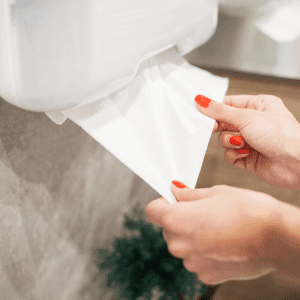
Washrooms deserve particular attention. Poor hygiene in these areas can quickly damage confidence in the rest of the facility. Healthcare visitors expect clean, well-stocked and reliable washroom facilities. High-quality dispensers and paper hygiene help maintain strong hygiene, reduce contact risks and create a better user experience.
Step 5: Communicate Your Efforts
Once your deep clean is complete, communication makes a real difference. Simple messages in reception areas, waiting rooms or digital screens can reassure patients and visitors that hygiene is actively managed. Sharing updates with staff also encourages continued care and positive habits. Clear communication builds trust. It shows that hygiene is taken seriously and that patient safety is at the heart of your work.
Our Latest News
View newsHow to Choose the Right Commercial Cleaning Chemicals for Your Business
Choosing the right cleaning chemicals for your business is about more than just picking products off the shelf. It also
View articleSpring Cleaning for Businesses Why Spring Is the Best Time for a Commercial Deep Clean
Spring is more than just a change of season. It is the perfect time for spring cleaning in commercial spaces,
View articleHow to Clean Care Homes Effectively: A Practical Guide for Managers and Staff
Maintaining a clean and hygienic care home is essential for resident safety, comfort and wellbeing. In a residential setting, cleaning
View article