
How to Choose the Right Commercial Cleaning Chemicals for Your Business
Choosing the right cleaning chemicals for your business is about more than just picking products off the shelf. It also means knowing how to handle cleaning chemicals safely, where cleaning chemicals should be stored in the workplace, and how to dispose of cleaning chemicals correctly. This matters because good cleaning
Choosing the right cleaning chemicals for your business is about more than just picking products off the shelf. It also means knowing how to handle cleaning chemicals safely, where cleaning chemicals should be stored in the workplace, and how to dispose of cleaning chemicals correctly.
This matters because good cleaning and disinfection play a key role in reducing the spread of infection in shared and public spaces. The UK Health Security Agency highlights that effective cleaning in workplaces and other non-healthcare settings helps reduce the risk of infection spreading, which shows how important it is for businesses to use the right products in the right way.
Understand Your Environment and Cleaning Needs
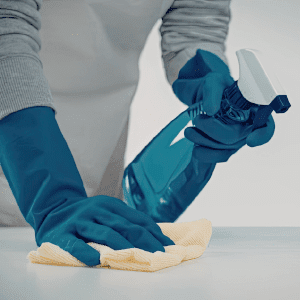
First, it’s important to understand where and how cleaning chemicals will be used. Different commercial spaces have different hygiene needs. For example, a food preparation area needs different products from a washroom or reception area.
In hospitality and catering, food-contact surfaces must be cleaned and sanitised to meet hygiene standards. Meanwhile, offices and shared workspaces focus more on high-touch areas such as desks, door handles, and shared equipment. Care homes and healthcare settings also need a stronger focus on infection control, as vulnerable people may be present.
By breaking your site into zones, it becomes easier to choose the right surface cleaners, degreasers, and disinfectants for each area. As a result, cleaning becomes more effective and more consistent across your business.
Match Cleaning Chemicals to Different Surfaces
Next, think about the surfaces you are cleaning. Using the wrong product can damage finishes, leave residue, or reduce the life of equipment. Over time, this leads to higher replacement costs and a poorer appearance in customer-facing areas.
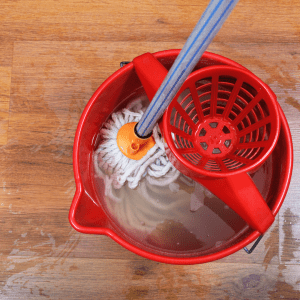
For example, stainless steel needs gentle products, while glass benefits from streak-free formulas. Floors often require cleaners matched to the material, such as vinyl or safety flooring. Food-contact surfaces must be cleaned with products that are safe to use in catering environments.
Using the right chemical for each surface helps protect your equipment and keeps areas looking clean and well cared for. This is especially important in customer-facing spaces, where first impressions matter. Suitable options often include glass and multi-surface cleaners, floor cleaners, and food-safe sanitisers.
How to Handle Cleaning Chemicals Safely in the Workplace
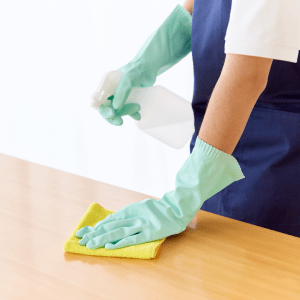
Knowing how to handle cleaning chemicals safely is essential for protecting staff and creating a safe working environment. Employees should be trained to read labels, follow dilution guidance, and use products as instructed.
Simple steps make a big difference. For example, staff should avoid decanting chemicals into unlabelled bottles, as this increases the risk of misuse. In addition, washing hands after cleaning tasks and using protective equipment when required can reduce skin irritation and accidental exposure.
Providing access to suitable PPE such as gloves and aprons and clear instructions on using concentrated cleaning chemicals helps teams work safely, even during busy periods. Over time, this builds safer habits and supports compliance with health and safety expectations.
Where Should Cleaning Chemicals Be Stored in the Workplace?
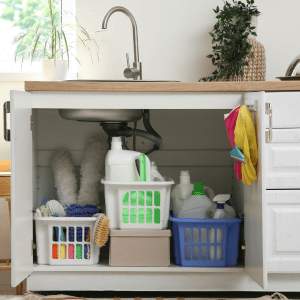
A common question for managers is where cleaning chemicals should be stored in the workplace. Chemicals should always be kept in a secure, clearly labelled area away from food preparation, serving, and storage spaces. In most settings, this means using a dedicated cleaning cupboard or locked store that is well ventilated.
Keeping products in their original containers with labels intact is also important. This ensures staff can see hazard information and usage instructions at a glance. Good storage reduces the risk of spills, cross-contamination, and accidental misuse, particularly in busy kitchens, care environments, and shared workplaces.
What Cleaning Chemicals Should You Not Mix?
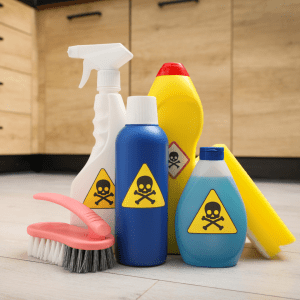
Understanding what cleaning chemicals should you not mix is a key part of workplace safety. Some combinations can create harmful fumes or dangerous reactions. For example, mixing bleach with acidic cleaners or ammonia can release toxic gases.
To avoid this risk, staff should only use products as directed and never combine chemicals unless the manufacturer clearly states it is safe. Clear training, simple signage in cleaning areas, and colour-coded systems can help prevent mistakes, especially for new or temporary team members.
By keeping processes simple and clear, businesses can reduce the risk of accidents and maintain safer working practices.
How to Dispose of Cleaning Chemicals Safely and Responsibly
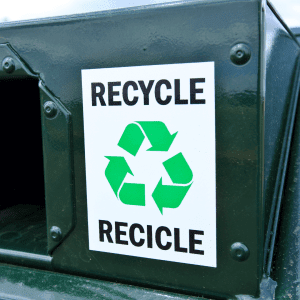
Another important consideration is how to dispose of cleaning chemicals correctly. Many commercial products should not be poured down drains or disposed of with general waste. Instead, disposal should follow the manufacturer’s guidance and local waste regulations.
Empty containers may need to be rinsed before recycling, while unused or expired chemicals may require specialist disposal. Having a clear process in place helps protect the environment and supports compliance. In addition, using refill systems and bulk products can reduce waste over time, especially when paired with refillable systems and reusable containers.
Improve Efficiency and Control Costs
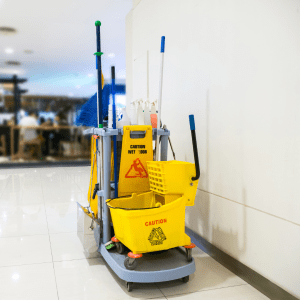
Cost control plays a big role in choosing the right cleaning chemicals for businesses. Cheaper products may seem like good value, but they often need to be used more often, which can increase costs over time and lead to uneven results.
Many organisations focus on value instead of just price. Concentrated products usually last longer, and buying key items in bulk can improve stock control and reduce reordering time. Standardising a small range of approved janitorial supplies and professional cleaning products also makes training easier and reduces mistakes. As a result, cleaning routines become faster, more consistent, and easier to manage across teams or multiple sites.
Build a Simple Approved Product List
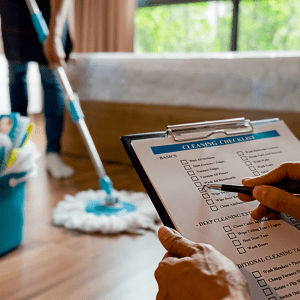
Finally, once you understand your environment, surfaces, safety needs, and sustainability goals, it helps to create a simple approved list of cleaning chemicals for your site. This gives staff clear guidance and supports consistent standards.
For example, your list might include:
- A core multi-surface cleaner for general areas
- A food-safe kitchen cleaners and sanitiser
- A washroom cleaner for toilets and sinks
- A disinfectant for high-touch areas
- A suitable floor cleaner for your flooring type
This approach reduces confusion, improves training, and supports better hygiene outcomes across your business.
Our Latest News
View newsHow to Choose the Right Commercial Cleaning Chemicals for Your Business
Choosing the right cleaning chemicals for your business is about more than just picking products off the shelf. It also
View articleSpring Cleaning for Businesses Why Spring Is the Best Time for a Commercial Deep Clean
Spring is more than just a change of season. It is the perfect time for spring cleaning in commercial spaces,
View articleHow to Clean Care Homes Effectively: A Practical Guide for Managers and Staff
Maintaining a clean and hygienic care home is essential for resident safety, comfort and wellbeing. In a residential setting, cleaning
View article